







Choosing a sleep sack seems simple until you discover that what it's made of can dramatically affect your baby's comfort, sleep quality, and even temperature regulation. Today's thoughtful parents know that fabric matters. Just as many of us have upgraded our own wardrobes with better-performing, more sustainable materials, the same principle applies to baby sleep.
When selecting a baby sleep sack, the real question isn't how thick it feels. It's how intelligently the fabric works.
Let's take a closer look at the differences between bamboo, cotton, and fleece, and why more modern parents are gravitating toward bamboo.
the myth of "thicker means warmer"
For decades, warmth was associated with bulk. Thick blankets. Heavy pajamas. Puffy layers.
Today's advanced textiles tell a different story.
Modern fibers are engineered to deliver warmth without added weight, allowing babies to stay cozy without overheating. In fact, thickness alone is a poor indicator of how effectively an infant sleep sack regulates temperature.
When choosing a sleep bag, the secret isn't bulk. It's performance.
Bamboo fibers naturally adapt to changing temperatures, helping babies stay comfortable whether the nursery is cool or warm. Rather than trapping heat, bamboo promotes balanced airflow and active thermoregulation.
Because the smartest sleep solutions don't add more fabric, they make better use of it.
bamboo: nature's high-performance fabric
Bamboo has quietly become the darling of sustainable fashion, and for good reason. It's renewable, incredibly soft, and remarkably functional.
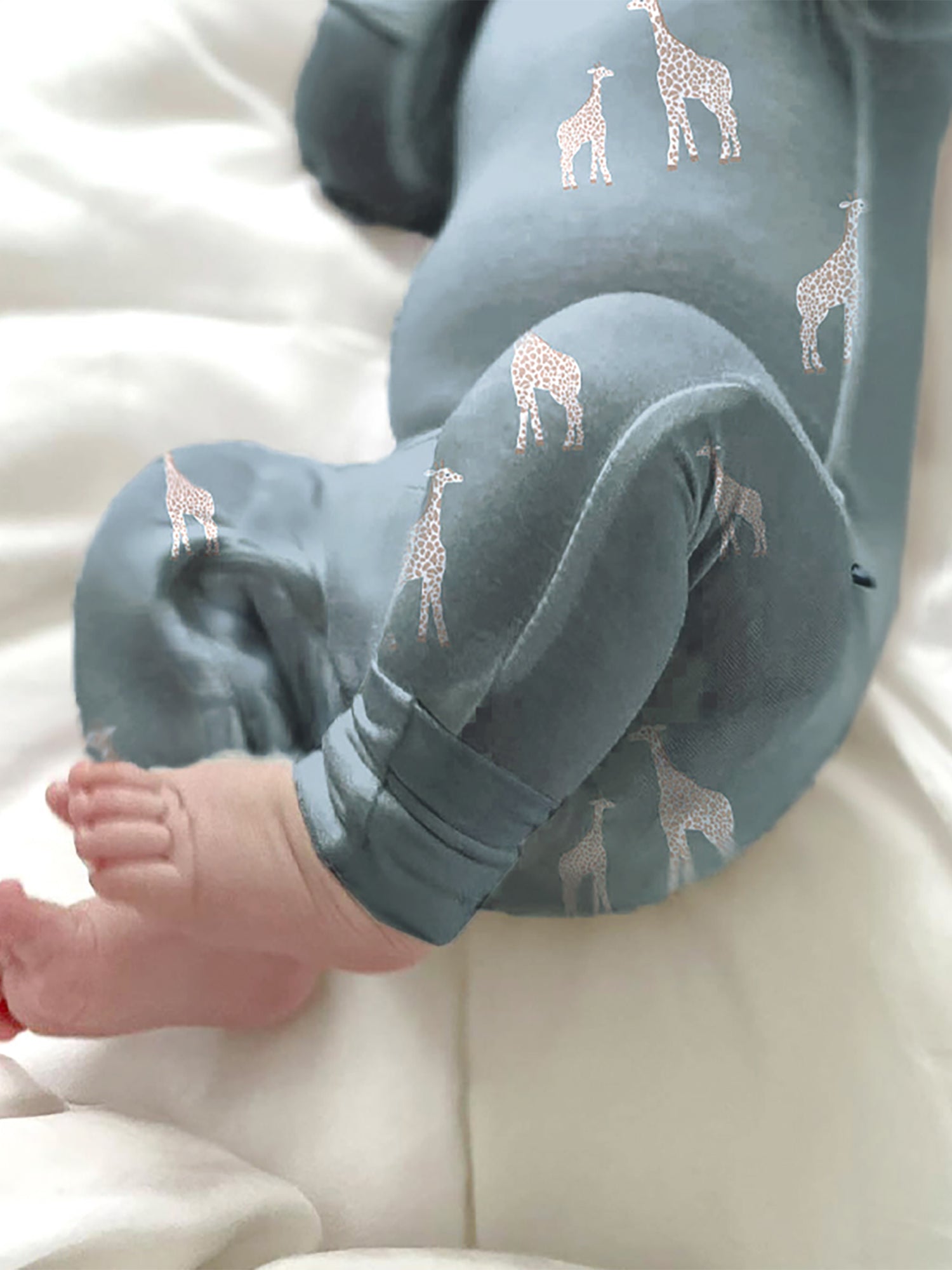
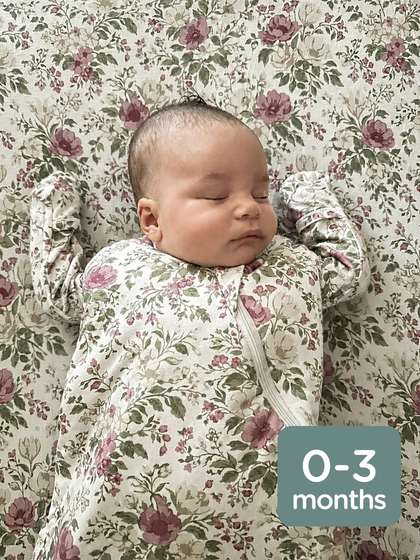
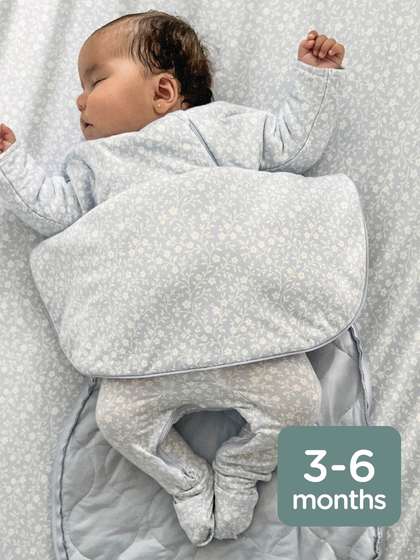
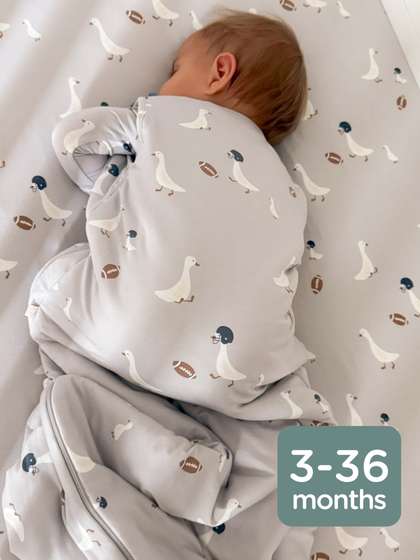
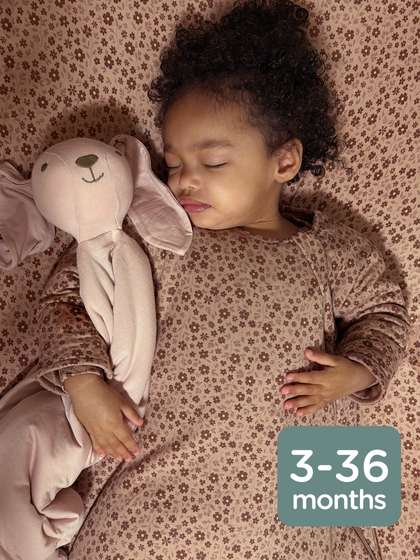
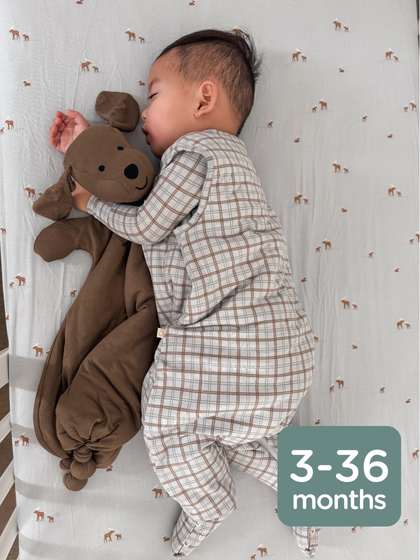
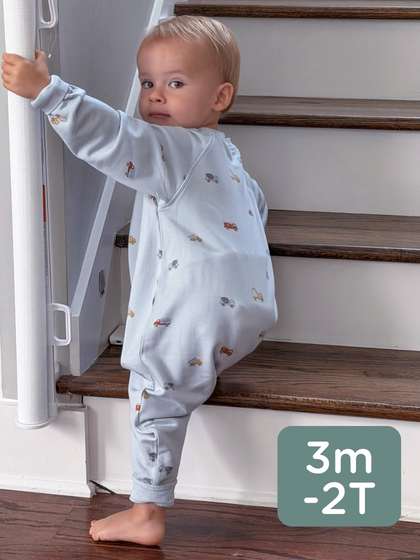
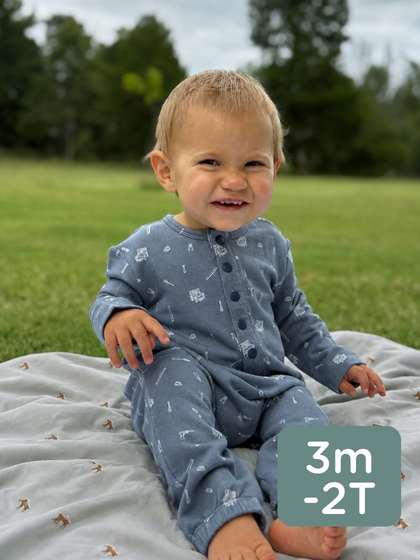
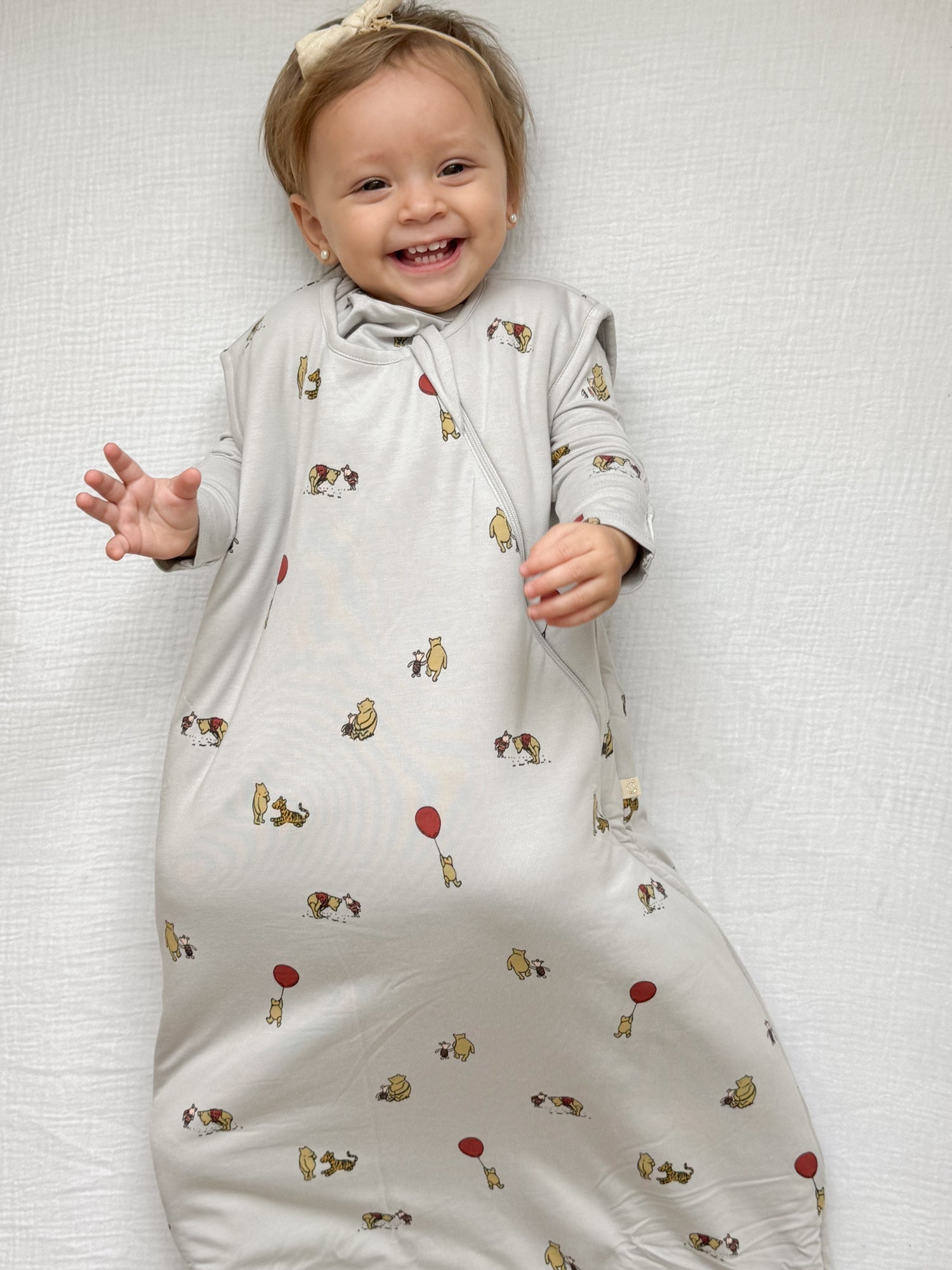
günamüna sleep sacks are crafted from ultra-soft 95% bamboo viscose and 5% spandex, creating a buttery, flexible fabric that feels luxurious against delicate skin. (In fact, our sleep bags’ plushness and silken hand resembles the most opulent down comforter, so it’s no surprise that we receive many requests from parents to make them in larger sizes!) They're also Certified OEKO-TEX® Standard 100, meaning every component has been independently tested for harmful substances.
Beyond softness, bamboo offers a rare combination of benefits:
- Hypoallergenic
- Breathable
- Moisture-wicking
- Naturally odor-resistant
- Gentle on sensitive skin and eczema-prone babies
- Durable enough to become softer with every wash
Most importantly, bamboo excels at delivering warmth without weight.
Unlike heavier materials that rely on insulation alone, bamboo actively regulates temperature, helping babies stay comfortable throughout the night.
Because the best fabrics work with your baby, not against them.
temperature regulation: where bamboo pulls ahead
One of the biggest advantages of a bamboo baby sleep sack is its ability to respond to your baby's changing body temperature.
bamboo
Microscopic pores within bamboo fibers act like a natural ventilation system. Warm baby? Bamboo releases excess heat. Cool nursery? Bamboo helps retain warmth. This dynamic adjustment reduces the risk of overheating while maintaining comfort.
cotton
Cotton is breathable and familiar, but its temperature regulation is relatively passive. It allows airflow but doesn't actively adapt to fluctuations in body heat. Cotton is ideal for daywear for older children. It is not as silky soft as bamboo, and bamboo’s soft caress is a feature that parents of every newborn can appreciate!
fleece
Fleece is typically made from spun polyester and functions as a solid thermal barrier. While it may feel warm initially, it traps stagnant heat against the body, increasing the likelihood of overheating and leaving babies sweaty or clammy.
The result? Bamboo keeps babies warm in winter and comfortably cool in summer.
Because a sleeping baby shouldn't need a thermostat attached to them.
moisture management: staying dry matters
Babies sweat. Even while sleeping.
The ability of a fabric to manage moisture can make the difference between uninterrupted sleep and a midnight wake-up.
bamboo
Bamboo can absorb approximately 40%–60% more moisture than cotton and wick it away up to four times faster. Instead of allowing sweat to linger against the skin, bamboo disperses moisture efficiently, helping babies stay dry and comfortable.
cotton
Cotton absorbs moisture effectively, but it tends to hold onto it. Over the course of a night, a cotton sleep sack can become damp, heavier, and less comfortable.
fleece
Fleece is not naturally absorbent. Rather than pulling moisture away from the skin, it often traps sweat, creating a humid environment that can leave babies uncomfortable.
Because dry sleepers are usually better sleepers.
sensitive skin loves bamboo
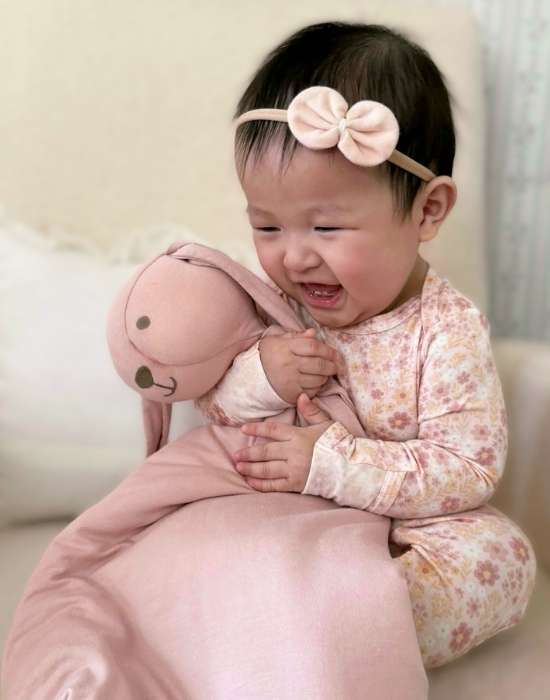
Babies experience the world through their skin first. That's why fabric choice matters so much. And many babies soothe themselves by feeling the silky softness of their günamüna bamboo sleep sacks.
bamboo
The silky-smooth structure of bamboo fibers creates minimal friction, making it an excellent option for babies with sensitive skin or eczema. Bamboo is naturally hypoallergenic, antibacterial, and resistant to odors.
cotton
Cotton is generally skin-friendly and gentle, making it a solid choice for many families. However, it lacks bamboo's natural antibacterial and odor-resistant properties.
fleece
The texture of fleece can feel abrasive to some babies, especially those with sensitive skin conditions. Synthetic fibers may also trap allergens more readily than natural alternatives.
Because peaceful sleep starts with comfortable skin.
sustainability matters, too
Many parents today are making intentional choices about what comes into their homes and affects their children.
Bamboo has emerged as one of the most exciting sustainable fibers in modern apparel. It grows rapidly, regenerates naturally, and requires fewer resources than many traditional textile crops. Also bamboo may be considered organic as it does not require pesticides to thrive.
For families seeking products that align with both comfort and environmental responsibility, bamboo represents a thoughtful step forward.
Choosing a bamboo infant sleep sack means selecting a fabric that performs beautifully while supporting a more sustainable future.
Because caring for your baby and caring for the planet can happen at the same time.
understanding TOG: it's about performance, not puffiness
A common misconception is that warmer sleep sacks must be thicker.
Not true.
TOG (Thermal Overall Grade) measures thermal insulation, not bulk.
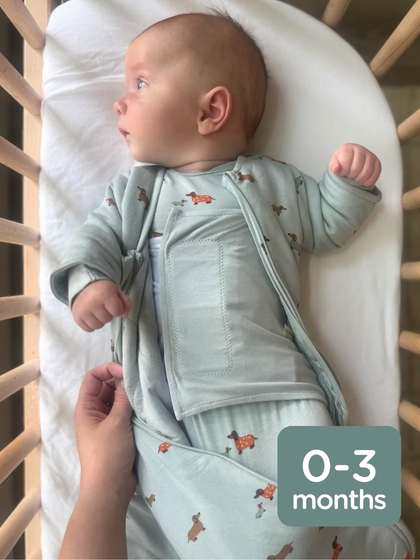
günamüna offers a range of TOGs to help parents match sleepwear to nursery temperatures:
Thanks to bamboo's natural thermoregulating properties, babies receive effective warmth without the stiffness or heaviness associated with traditional fabrics.
Because comfort isn't measured in inches of fluff.
the final verdict
When comparing bamboo, cotton, and fleece, each material offers distinct advantages. Cotton remains a reliable classic, and fleece may appeal in colder climates. But bamboo consistently delivers the most complete sleep solution.
A günamüna bamboo baby sleep sack provides active temperature regulation, superior moisture-wicking, hypoallergenic softness, and sustainable credentials that align with modern parenting values. For families seeking an infant sleep sack that performs beautifully year-round, bamboo stands in a category of its own.
At günamüna, every sleep sack is thoughtfully designed to harness the natural benefits of bamboo. We create sleepwear that's as intelligent as it is irresistibly soft.
Because when babies sleep better, everybody wins.