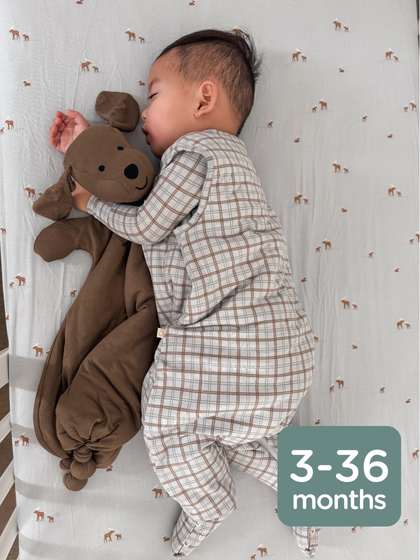
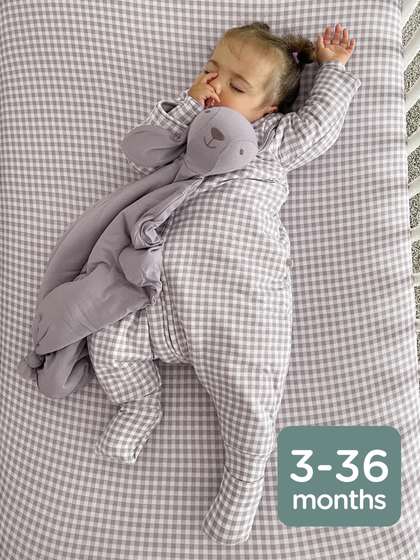
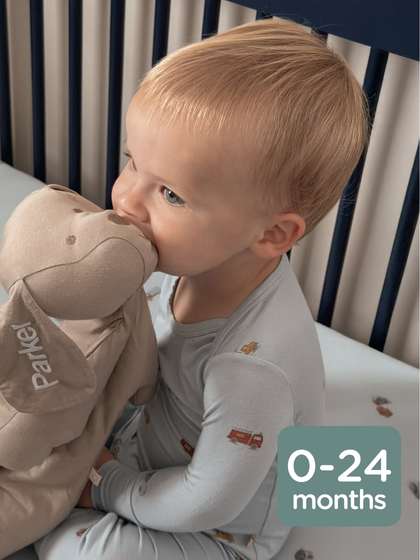
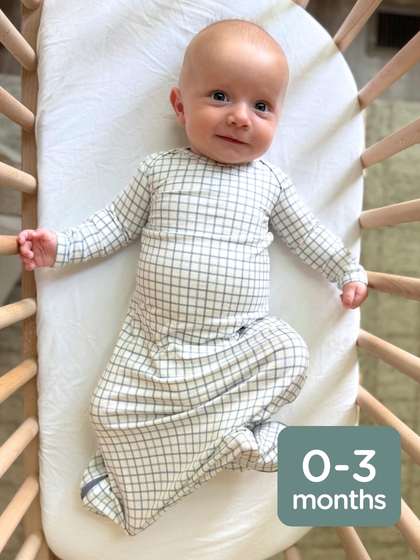
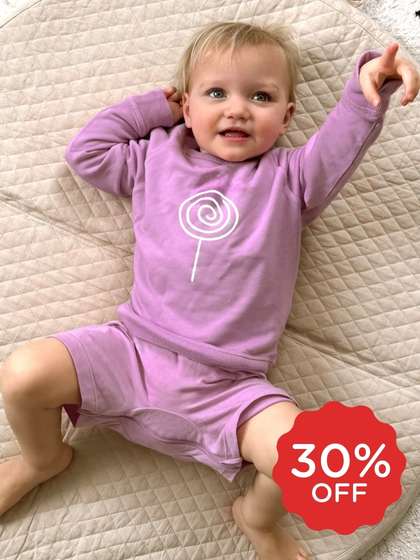
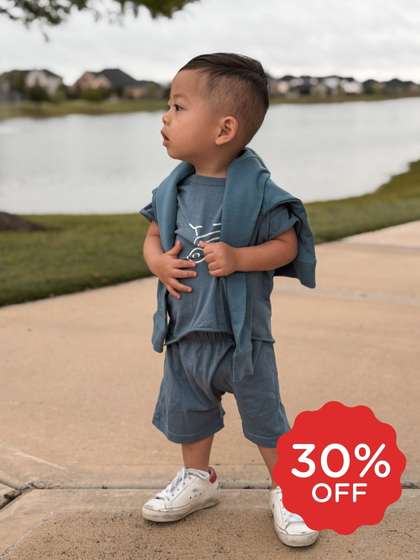
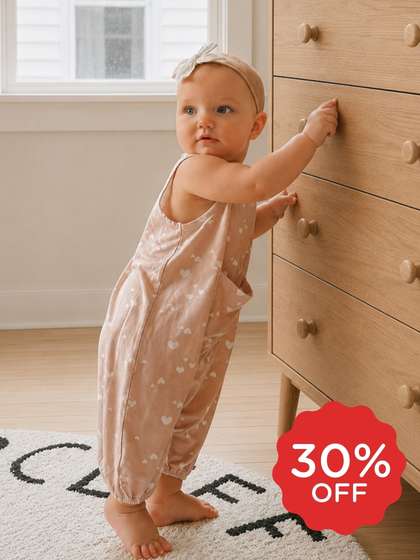
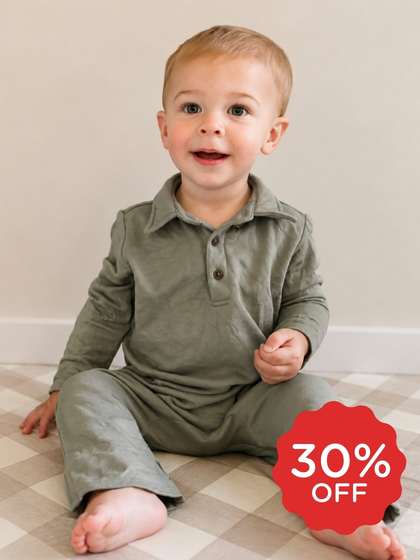
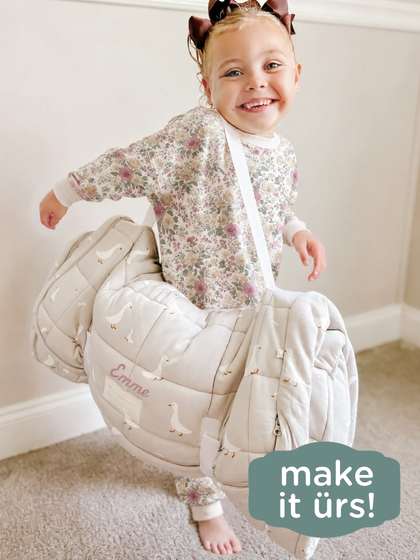
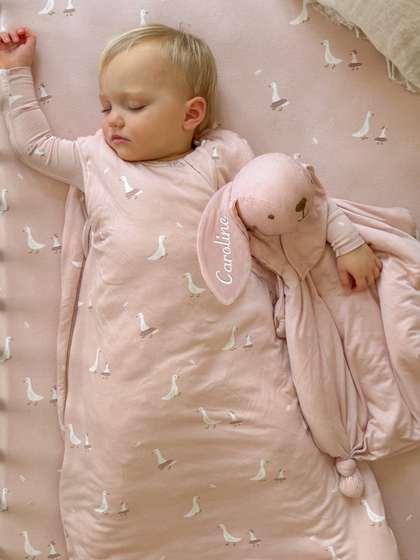

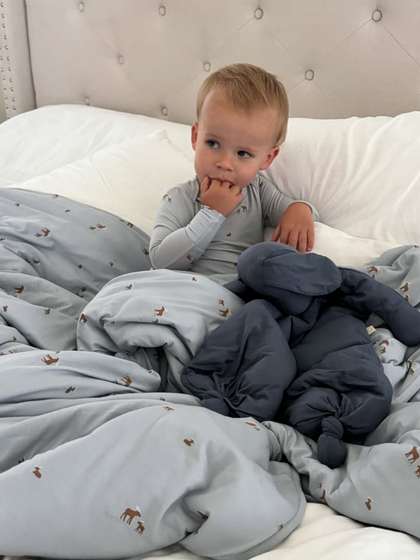
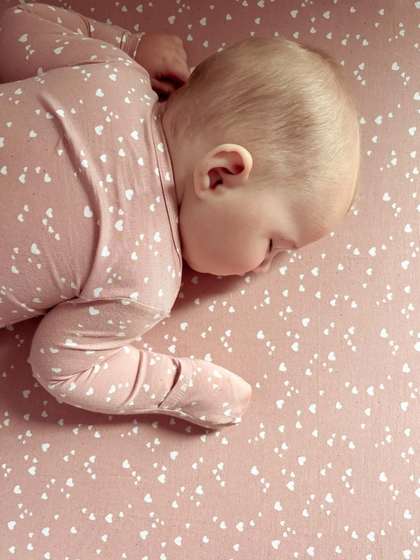
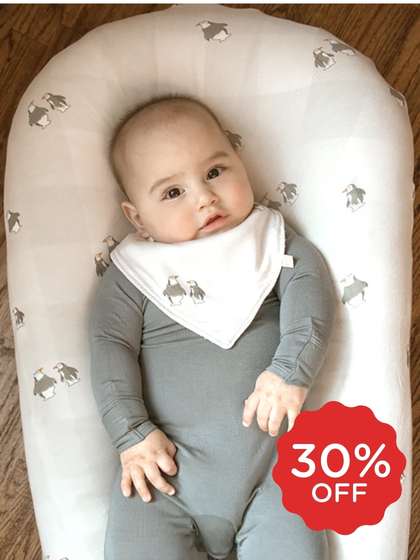

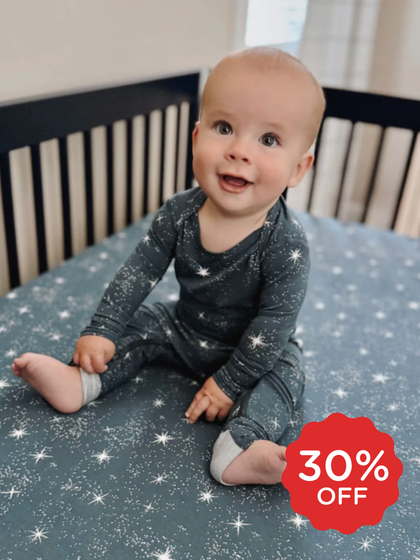
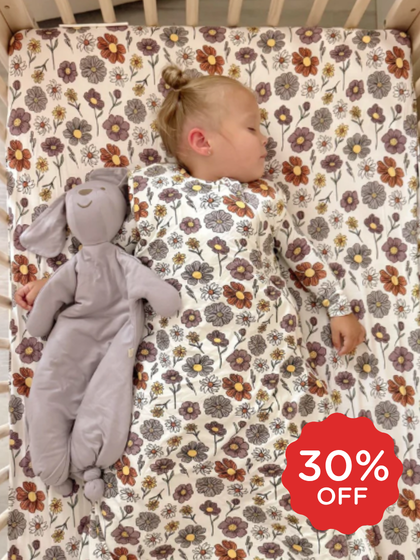
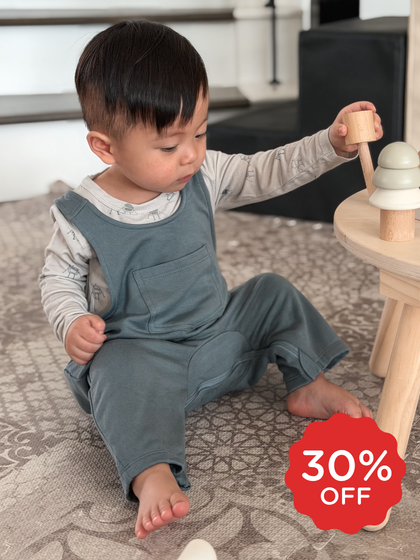

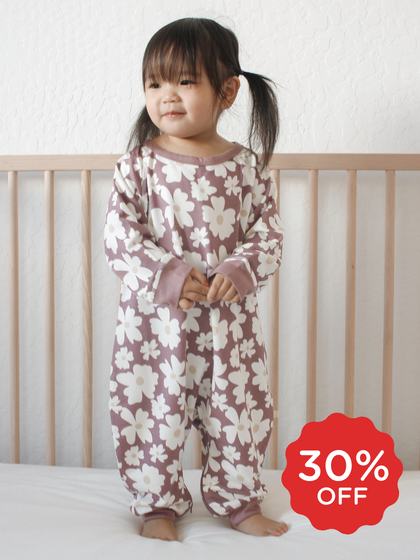
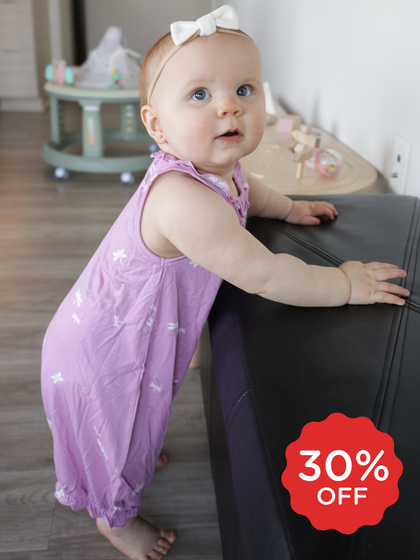
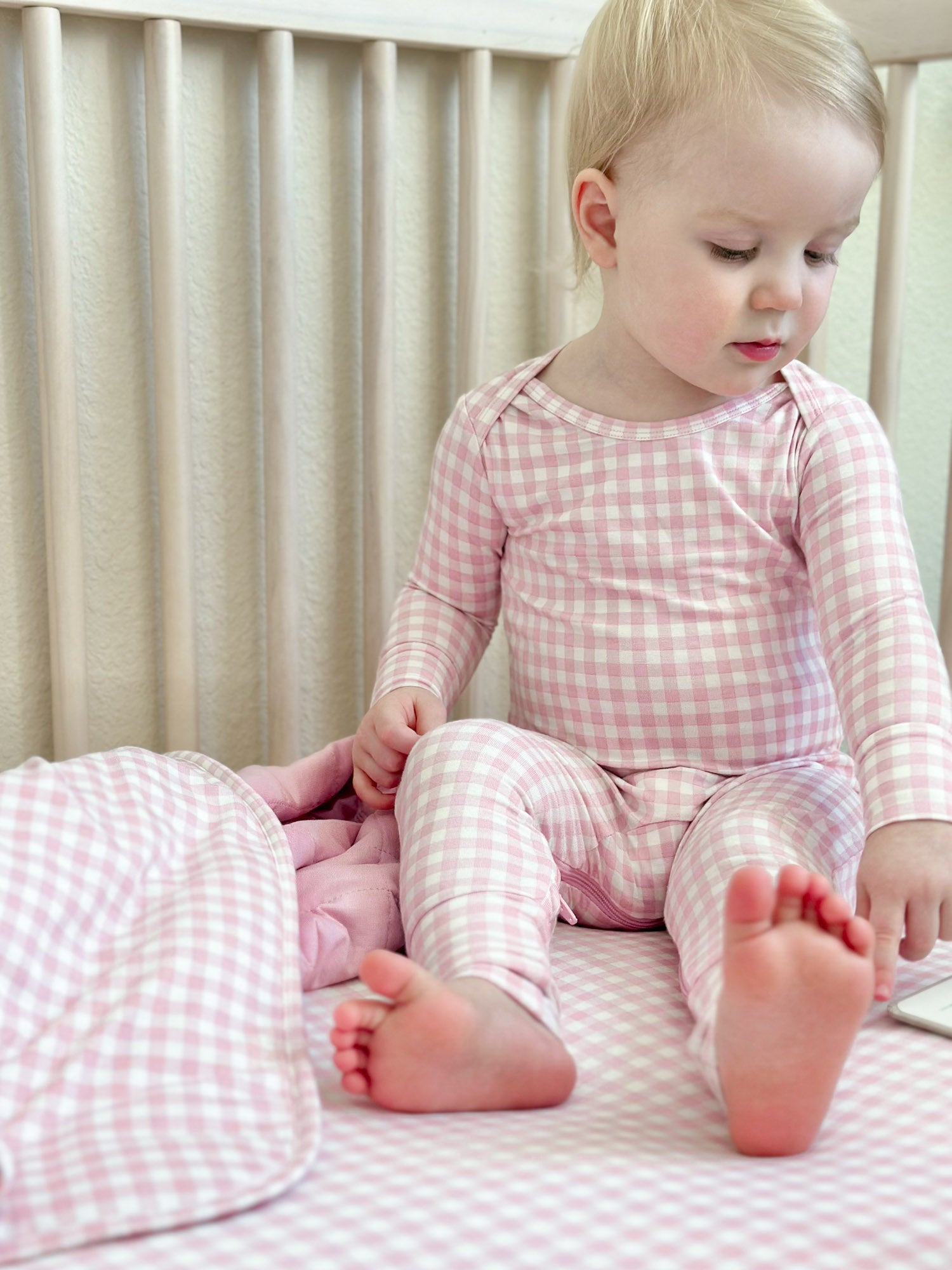
Because “Is the baby too hot or too cold?”
lives rent-free in every parent’s brain
If you’ve ever stood over the crib at 2 a.m. lightly poking your baby’s neck to temperature-check like a nervous meteorologist — hi, welcome. You’re one of us.
Seasonal weather changes (we’re looking at you, fall-to-winter and winter-to-spring) can turn bedtime into a guessing game. One night it’s chilly. The next, it’s weirdly warm. And babies? They’re not great at kicking off blankets or asking for another layer.
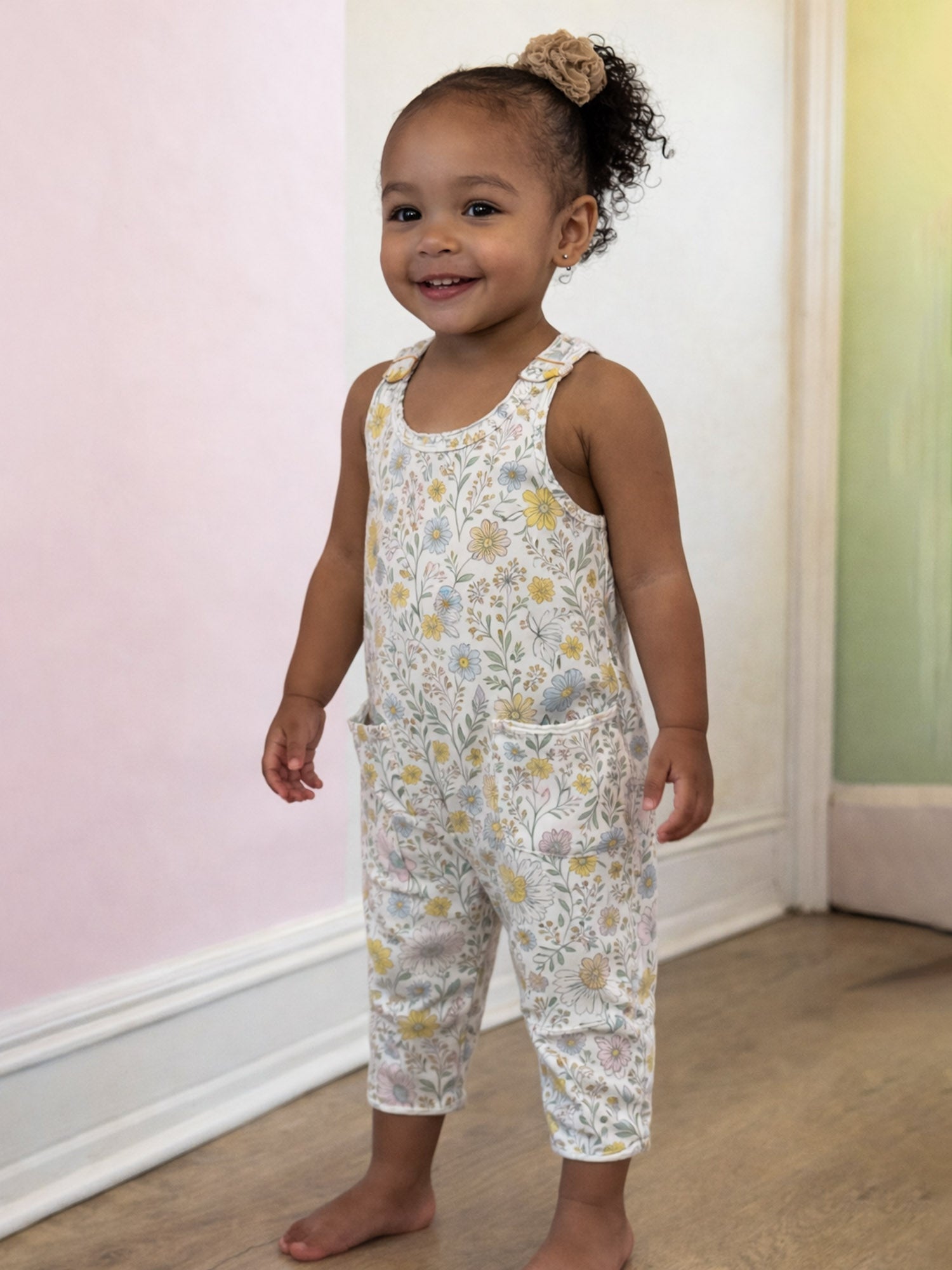
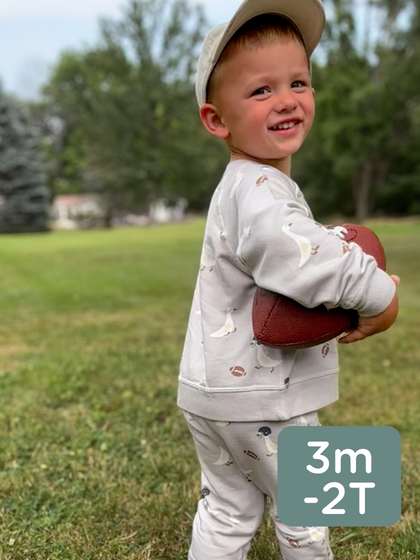
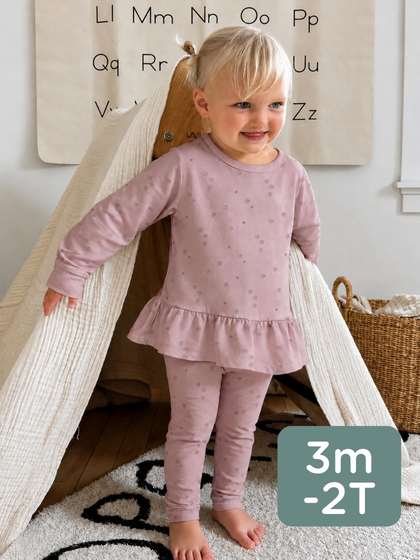
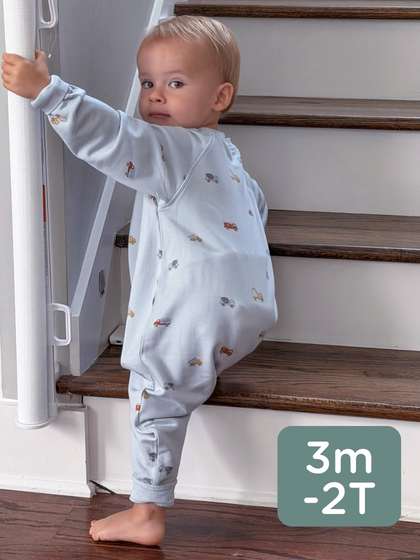
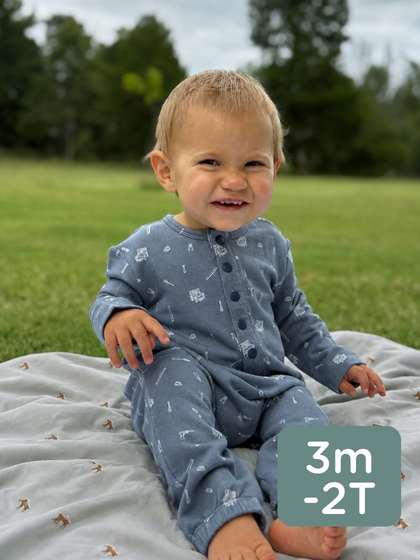
That’s where smart, temperate günamüna baby sleepwear comes in.
Let’s break it down.
Why Temperate Sleepwear Matters
Babies can’t regulate their body temperature as efficiently as adults. That means:
- They can overheat more easily
- They can get chilled more quickly
- They rely on you to get layering right
The goal? Consistent coziness without constant outfit changes.
What to Look for in Temperate Baby Sleepwear
Not all sleepwear is built for in-between seasons. Here’s what actually matters:
1. Breathable, Temperature-Regulating Fabrics
Natural, breathable fabrics are everything. You want material that allows airflow but still insulates when needed. Think softness that warms without trapping heat.
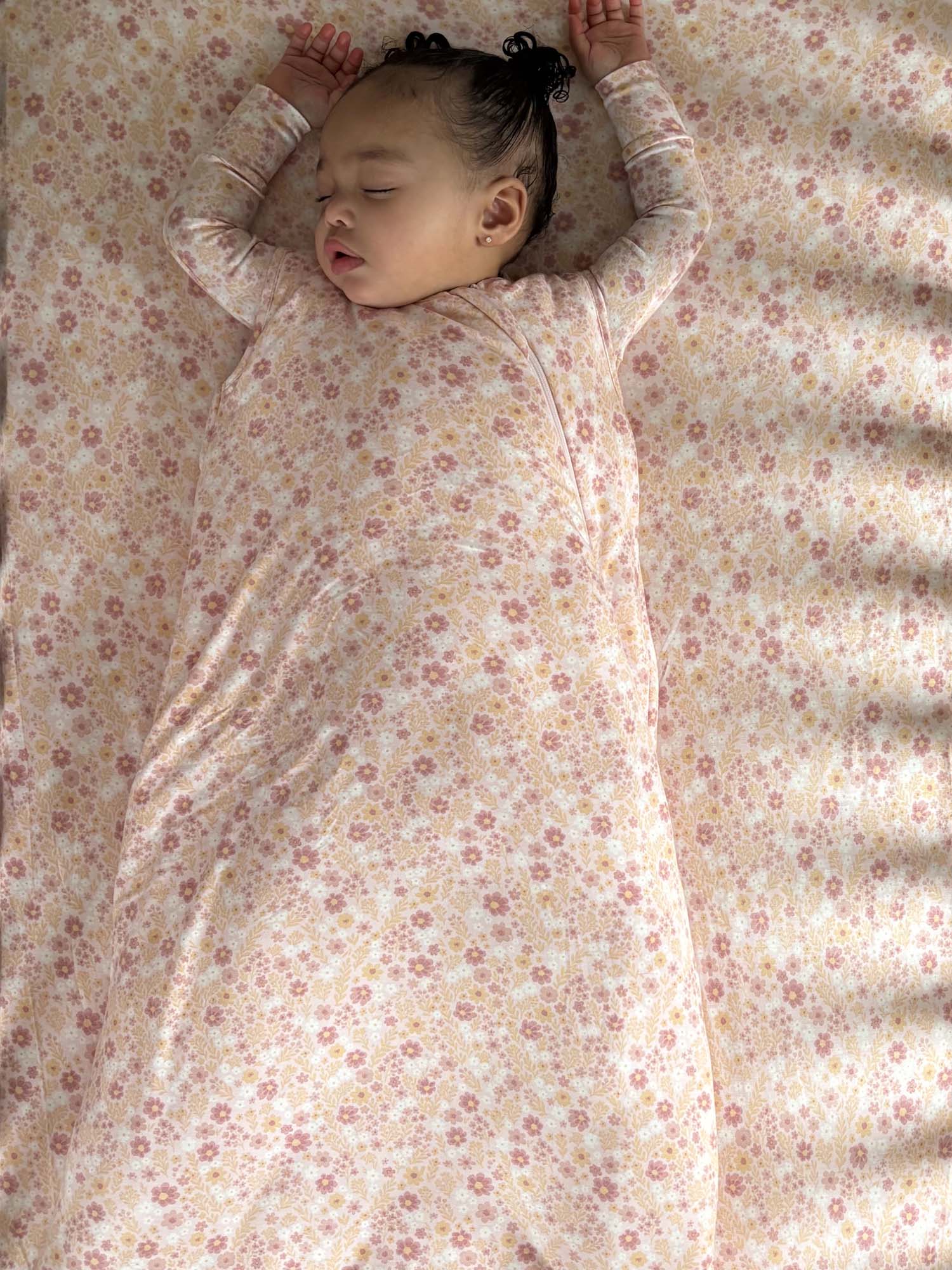
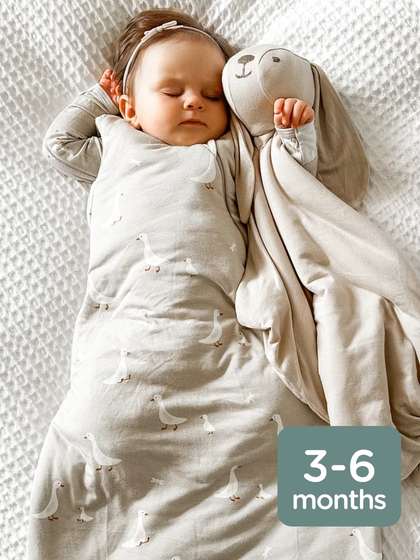
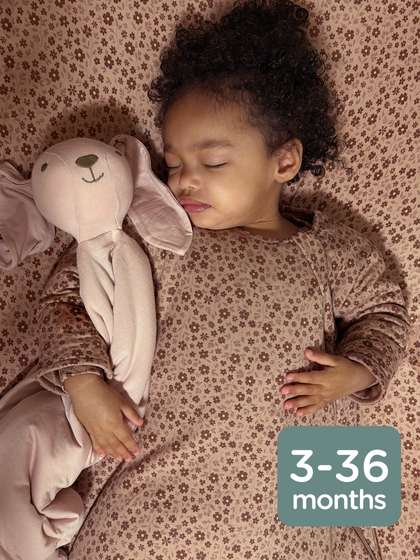
günamüna uses high-quality bamboo fabrics so our garments and thoughtfully designed sleep bags help maintain comfort whether the room dips a few degrees overnight or warms up by sunrise.
Bonus points for fabric that feels buttery soft against sensitive skin — because scratchy seams at 3 a.m. are nobody’s vibe.
2. Smart Layering Options
Temperature-regulated dressing is all about layers you can adjust without a full wardrobe change.
A simple formula we love:
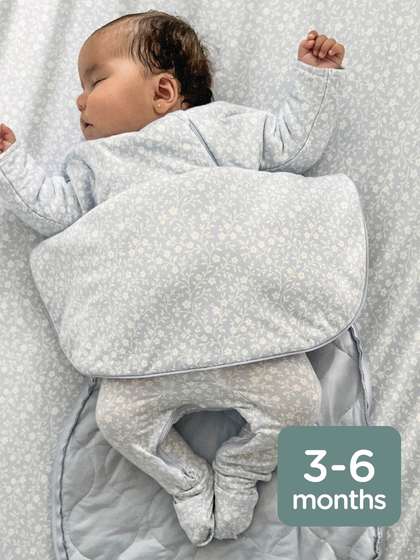
- Footie pajamas if it’s cooler
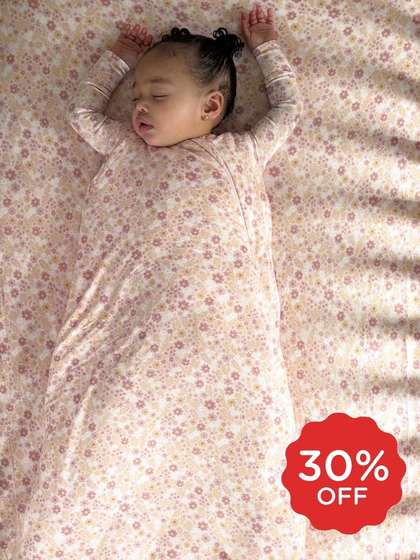
- Top with a sleep bag appropriate for the room temp
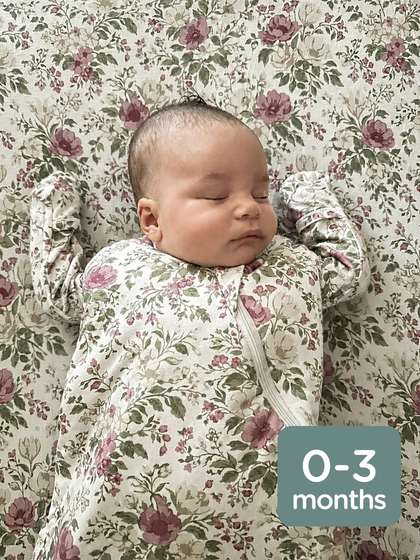
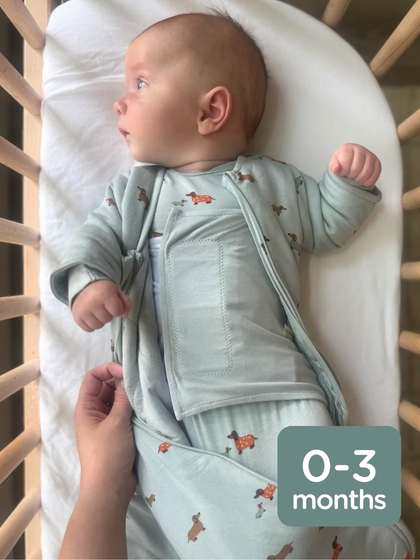
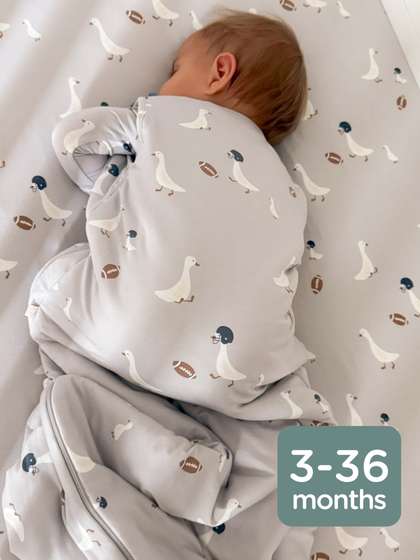
Sleep bags are especially clutch during temperature swings. Unlike loose blankets (which aren’t safe for infants), a well-fitted sleep bag keeps warmth consistent while allowing safe movement.
When the forecast says “high of 70, low of 49,” layering is your best friend.
3. The Right Weight (TOG Matters)
If you’ve seen “TOG” on sleepwear tags and thought, “Cool acronym, no idea what that means,” here’s the scoop:
Thermal Overall Grade (TOG) measures thermal insulation. Lower TOG = lighter. Higher TOG - warmer.
During seasonal changes, our homes are temperature controlled to accommodate the need for a cool or warm interior environment. This means the TOG depends on the temperature of baby’s room, not the outside temperature. Some parents’ estimates land in the middle range — not ultra-light, not winter-level cozy. Having two weight options on hand can save you from late-night guesswork when baby’s body temperature rises and their room does not accommodate their immediate need for a comfortable sleeping environment.
4. Room for Movement (Without Overheating)
As babies grow, they wiggle more. They roll. They scoot. They practice their midnight gymnastics routine.
Temperate baby sleepwear should:
- Allow natural movement
- Prevent twisting or bunching
- Avoid heavy, stiff layers
The more your baby moves, the more important breathable construction becomes. You want airflow plus warmth — not a mini sauna situation.
How to Tell If Baby Is Comfortable
Skip the hand-and-feet test. Tiny hands are usually cooler than the rest of their body.
Instead, gently check:
- Back of the neck
- Upper chest
Too sweaty or damp? Probably overdressed.
Cool but not cold? You’re likely in the sweet spot.
And remember: slightly cool is safer than overheated.
Temperature Controlled Sleep = Better Sleep (For Everyone)
When babies are comfortable, they sleep more soundly. Fewer wakeups from being too hot. Less fussing from being too cold. More uninterrupted stretches.
Hint: base your TOG weight on your LO’s ROOM temperature, not the temperature outside.
And more uninterrupted stretches means… you might actually sleep, too.