
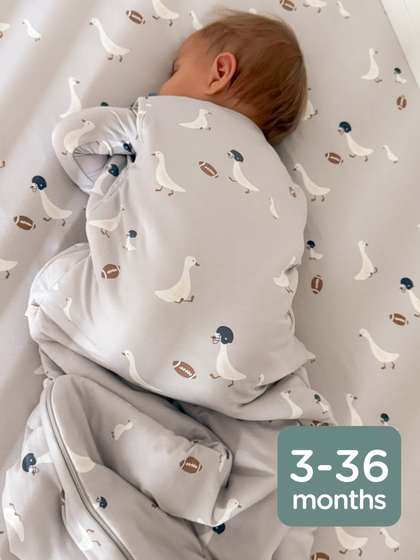
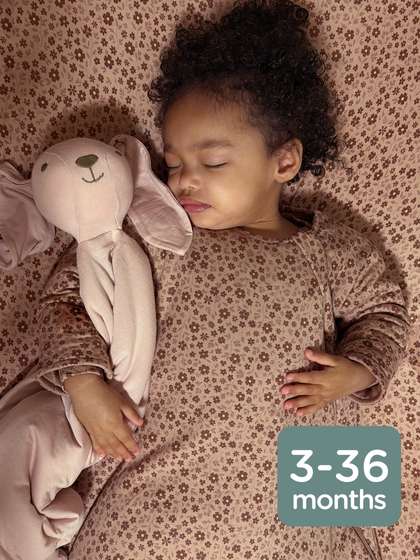
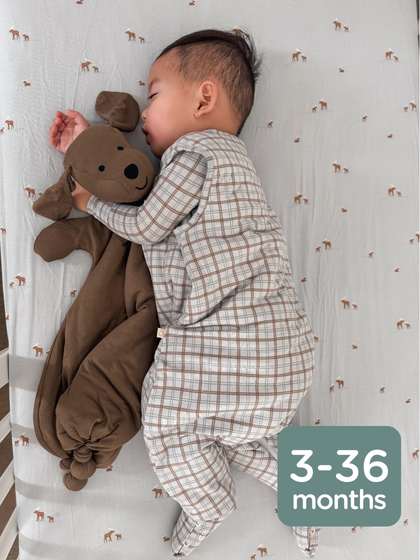
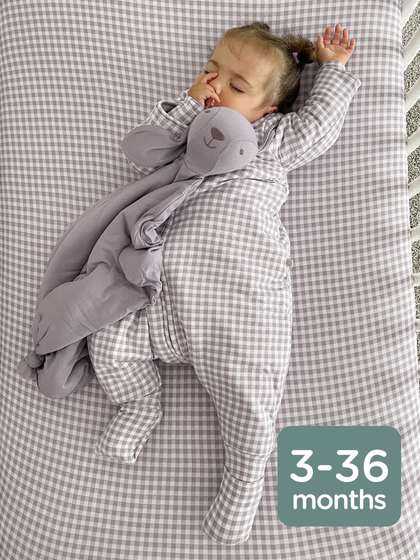



Our Commitment to Transparency
At günamüna, we’ve always worked hard to keep our prices fair without compromising quality. Due to rising tariff costs, we’ve recently had to make small adjustments to our pricing. We want to be transparent about this change and assure you that we continually look for ways to minimize costs, so you can keep enjoying the comfort you love at the best possible value.


made for what's next
from first swaddle to big-kid sleep, we've got bedtime covered.
calm the fuss down
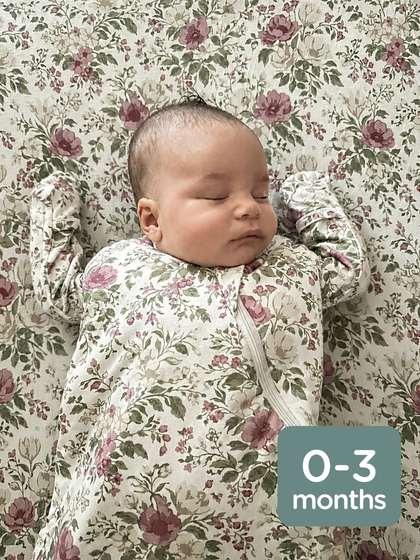
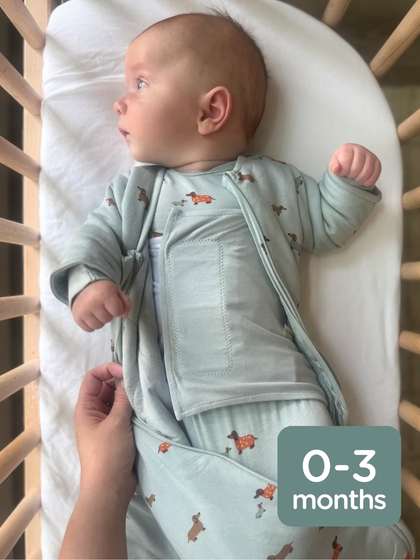
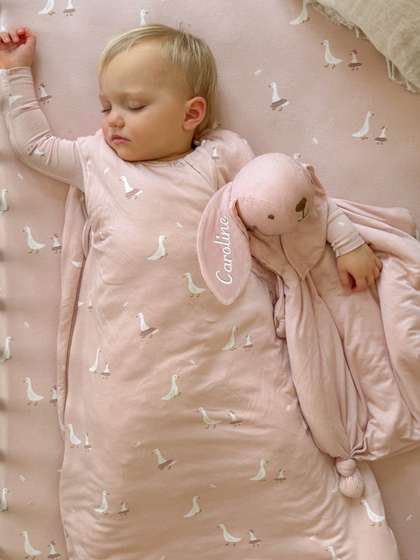
Your baby loves that cozy, contained feeling and may need a little help settling their startle reflex. With arms-in or arms-out options, an optional belly band, and a long-sleeve design, you can find the comfort and freedom that work best for your baby.
 SwaddlesClassic arms-in comfort for the newborn stage.
 Long Sleeve SwaddlesExtra coverage for cooler homes or babies that need more warmth.
 PajamasButtery-soft layers made to wear beneath our sleep sacks.
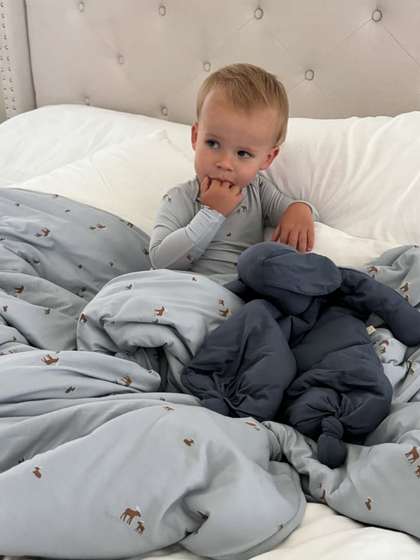
 LoveysMeet their new favorite cuddle buddy.
 BlanketsSnuggle-ready for wherever the day takes you.
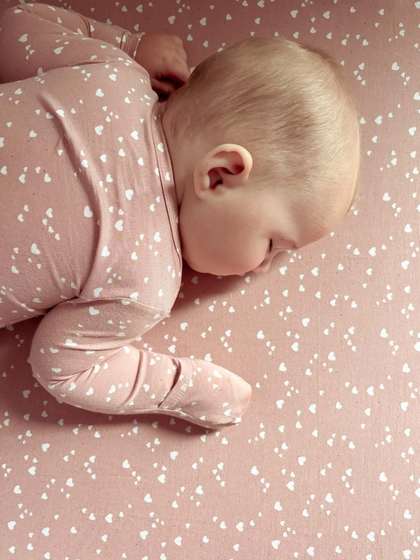
 Crib SheetsA dreamy-soft start to every little snooze.
 GownCozy for baby. Easy on you at 2 a.m.
you can’t outgrow comfort
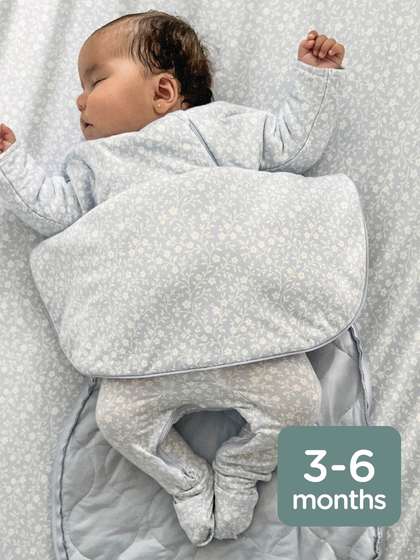
Think of it as the in-between step. A transitional swaddle keeps a closer fit around your baby's torso while allowing their arms to move freely. It's designed for little ones who still love that snug feeling but are ready for more freedom.
 Transitional SwaddleA gentle torso hug to soothe the startle reflex as baby moves beyond swaddling.
 Long Sleeve Transitional SwaddleThe same soothing torso hug, with cozy sleeves for extra coverage.
 PajamasThe perfect layer beneath our sleep sacks.
 LoveysMeet their new favorite cuddle buddy.
 BlanketsSnuggle-ready for wherever the day takes you.
 Crib SheetA dreamy-soft start to every little snooze.
make shhh happen
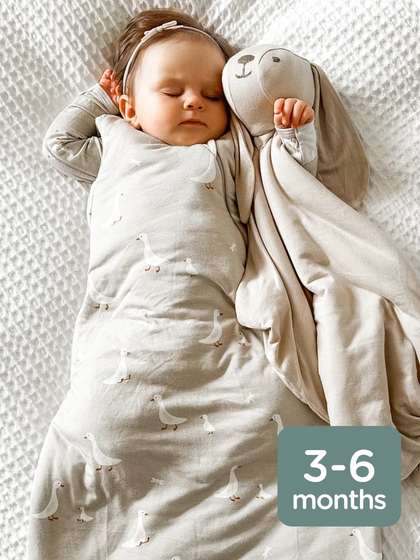
This is the stage for babies who want to stretch, kick, roll, and settle into their own sleep positions without losing that familiar wearable-blanket feeling. günamüna offers both sleeveless and long-sleeve sleep sacks, so parents can choose the coverage that suits their environment and preferences.
 Sleep SackFreedom for little arms, cozy coverage for the rest!
 Long Sleeve Sleep SackCozy from shoulders to toes, with a little extra warmth for cooler nights.
 Footie Sleep SackCozy comfort for little feet on the move.
 Long Sleeve Footie Sleep SackExtra cozy coverage for little movers and dreamers.


wearable. walkable. wuvable.
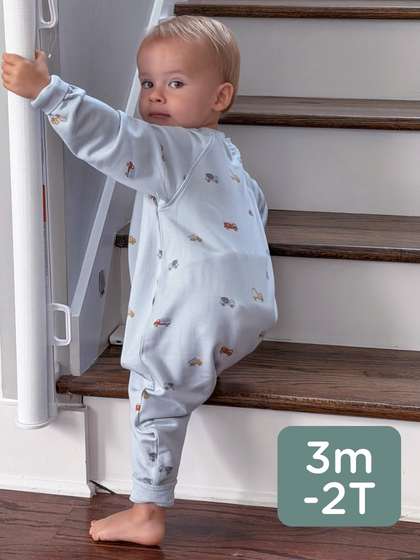
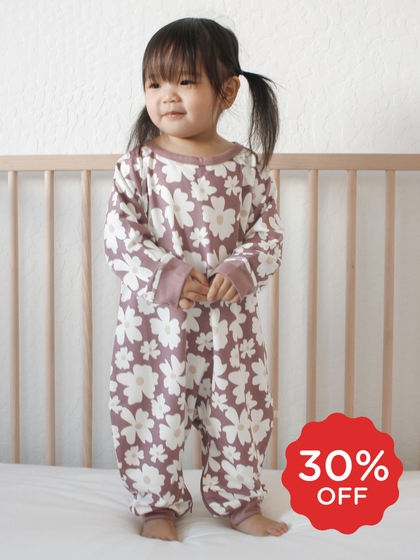
This stage is all about keeping familiar sleepwear comfort while making room for little movers. The günamüna footie design features separate legs, convertible foot openings, anti-slip grips, and DIAPER-ZiP® access for easier diaper or potty changes.
 Footie Sleep SackCozy comfort for little feet on the move.
 Long Sleeve Footie Sleep SackExtra cozy coverage for little movers and dreamers.
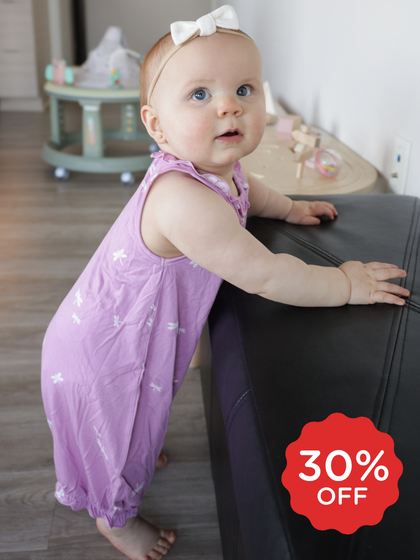
 Sleep SackFamiliar comfort for little ones who aren't quite on their feet.
 Long Sleeve Sleep SackExtra cozy coverage for little ones who love to stay snug.


questions about the newborn stage
What does swaddling actually do?
Swaddling can create a snug, womb-like feeling and may help calm the newborn startle, or Moro, reflex. It’s one soothing option during the newborn stage — not something every baby has to use.
When should the baby's arms come out of the swaddle?
Some babies prefer their arms out right away. For babies who sleep arms-in, stop swaddling as soon as they show signs of attempting to roll. Choose an appropriate arms-free sleep option rather than continuing to restrain their arms.
What is the built-in belly band for? Do I have to use it?
The optional belly band provides a more secure, snug feel for babies who enjoy extra containment and may help calm the startle reflex. It isn't a must-have for every baby. Always follow the product's instructions for proper placement and use.
What if my baby hates having their arms swaddled but still likes feeling cozy?
You don't have to choose between arms-in swaddling and a completely loose fit. An arms-free option can let your baby move their arms while keeping them comfortably covered. Günamüna's long-sleeve swaddle is designed for babies who want that extra coverage without having their arms restrained.
Can my baby sleep in a swaddle if they're starting to roll?
Once your baby shows signs of attempting to roll, stop using any swaddle that restrains their arms or restricts their movement. Our swaddle offers both arms-in and arms-out options, with or without long sleeves, so you can choose the level of freedom and coverage that works best for your baby. The arms-out option allows babies to move their arms freely, including during rolling.
How do I know when my baby is ready for something beyond a swaddle?
Look beyond age alone. If your baby is trying to roll, wants more freedom to move, or has outgrown the swaddle size, it may be time to rethink their sleepwear. If they still love that snug feeling around their middle and the swaddle no longer fits, a transitional swaddle may be the next step — provided the product is appropriate for their developmental stage.
What is a transitional swaddle, and how is it different from a regular swaddle?
Think of it as the in-between step. A transitional swaddle is a larger looser fit than the swaddle - with no belly band, but a closer fit around your baby's torso than a full-on sleep sack. It's designed for little ones who still love that snug feeling but are ready for more freedom.Read more: What's the Difference Between the Original Swaddle and the New Transitional Swaddle?
How do I know if my baby is ready for a transitional swaddle?
If your baby has outgrown the swaddle but still seems comforted by a closer fit around their middle, a transitional swaddle may be worth trying. Some babies prefer moving straight to a regular sleep sack instead. Follow your baby's cues and always prioritize safe sleep. Read more: Long Sleeve Sleep Bag vs. Transitional Swaddle
Can my baby use a transitional swaddle if they're rolling?
A transitional swaddle designed for arms-free sleep may be an option when your baby begins rolling. The key is that their arms must remain completely free to move. Never use an arms-in configuration once your baby shows signs of attempting to roll, and follow the specific product's safe-use instructions. Read more: Are Swaddle Sleep Bags Safe for Rolling Babies?
What if my baby still has a strong startle reflex?
The startle reflex can stick around even as your baby becomes ready for more movement. A transitional swaddle offers a closer fit around the torso while keeping the arms free. Remember, you don't need to restrain your baby's arms to help them get comfortable with this change.
Should I choose the sleeveless or long-sleeve transitional swaddle?
Think about your baby's comfort and your sleep environment. Sleeveless styles leave the arms more exposed, while long-sleeve styles provide additional arm coverage. Choose the option appropriate for the room temperature, and avoid overdressing your baby.
Why does a transitional swaddle have a roomier bottom?
Babies naturally bend their legs up and out into a frog-leg position. A roomy bottom gives their hips and legs space to move comfortably instead of holding them straight or tightly together.
How do I know when it's time to move from a transitional swaddle to a regular sleep sack?
As your baby gets more comfortable with their arms free, they may be ready for the freedom of a regular sleep sack. A transitional swaddle offers a closer fit around the torso, while a regular sleep sack gives them a more relaxed feel throughout. Follow your baby's cues and the product's age, fit, and safety guidelines to help guide your next step.
Read more: Long Sleeve Sleep Bag vs. Transitional Swaddle
How do I know if my baby is ready for a regular sleep sack?
If your baby is ready for unrestricted arm movement and seems to enjoy more room to stretch, kick, and wiggle, a regular sleep sack may be the right fit. You can move straight to this stage from an arms-free swaddle or transitional swaddle — there's no required in-between step.
Will my baby still feel cozy in a sleep sack without that snug swaddle fit?
Absolutely. A sleep sack keeps your baby comfortably covered while giving their arms, legs, and body more room to move. If your little one loves to stretch out, this can offer the cozy feeling they know with less restriction.
Can my baby roll over in a sleep sack?
Yes, an appropriately fitted, arms-free sleep sack allows babies to move their arms and bodies freely as they roll. Always place your baby on their back to begin sleep, keep the crib clear of loose bedding, and choose a sleep sack that doesn't restrict movement.
Should I choose a sleeveless or long-sleeve sleep sack?
It depends on your baby's sleep environment and how much coverage they need. A sleeveless sleep sack leaves the arms uncovered, while a long-sleeve option adds warmth and coverage. Check the room temperature, the sleep sack's TOG rating, and your baby's clothing layers to help prevent overheating
What does TOG mean, and how do I know which one to choose?
TOG measures thermal insulation — in other words, how warm a sleep sack is. The right option depends on your room temperature and what your baby wears underneath. Follow günamüna's TOG guide rather than choosing based on the season alone.
Can my baby use a footie sleep sack even if they're not walking yet?
Yes. Walking isn't a requirement. Some babies simply prefer having their legs separated rather than tucked into one shared sack. If your baby is ready for arms-free sleep and the footie sleep sack fits appropriately, it can be an option before those first steps.
How do I know when my baby is ready for a footie sleep sack?
Watch what your little one is doing outside of sleep. If they're pulling up, standing, walking, or wanting to move around while still wearing their sleepwear, a footie sleep sack may offer the leg freedom they're looking for. It's about their movement and routine, not a particular birthday.
How do I know if my baby is ready for a footie sleep sack?
If your little one loves to stand, cruise, walk, or move around in their sleepwear, a footie sleep sack may be a great fit. The separate-leg design gives them more freedom to move while keeping the familiar comfort of a wearable sleep sack.
What's the difference between a regular sleep sack and a footie sleep sack?
A traditional sleep sack has one roomy, blanket-like bottom, while a footie sleep sack has separate leg openings. That means your little mover can stand, walk, and explore without having both legs tucked into one shared space.
Can my toddler walk in a footie sleep sack?
That's exactly what the separate-leg design is made for. günamüna's footie sleep sack features convertible foot cuffs and anti-slip grips to help little ones move around. As with any sleepwear, make sure the fit is appropriate and supervise your child during play.
Should my child's feet be covered or uncovered?
You have options! The convertible foot openings can be closed to cover little toes or opened to give your child more direct foot contact when moving around. Choose the configuration that suits the activity and your child's comfort, and make sure the grips are positioned as intended when the feet are exposed.
My toddler keeps taking off their sleep sack. Is a footie sleep sack worth trying?
If your toddler is constantly on the move or frustrated by a traditional sack's shared leg space, a footie style may feel more natural for them. It keeps the familiar wearable-blanket coverage while allowing more independent movement. Every child is different, so look at what seems to frustrate them about their current sleepwear.
Can my baby use a footie sleep sack even if they're not walking yet?
Yes. Walking isn't a requirement. Some babies simply prefer having their legs separated rather than tucked into one shared sack. If your baby is ready for arms-free sleep and the footie sleep sack fits appropriately, it can be an option before those first steps.
Can my child wear a footie sleep sack overnight?
Yes, provided the product is appropriate for your child's developmental stage, fits correctly, and is used according to its care and safety instructions. Choose the right TOG and clothing layers for your room temperature, and make sure the design doesn't restrict movement.
What is the difference between the footie sleep sack and the long-sleeve footie sleep sack?
Both have separate legs and convertible foot openings. The long-sleeve version adds arm coverage, while the standard footie style leaves the arms uncovered. Choose based on the room temperature, appropriate layering, and your child's comfort.
Does switching to a footie sleep sack mean my toddler is ready to stop using a sleep sack altogether?
Not at all. A footie sleep sack lets your child have more freedom to move while keeping a familiar wearable sleep layer. There's no need to switch to loose blankets just because your toddler is walking. Follow age-appropriate safe-sleep guidance and your child's individual needs.
How do I choose the right TOG for a footie sleep sack?
TOG indicates how much warmth the sleepwear provides. Choose according to your child's sleep environment and clothing layers rather than assuming a long-sleeve style is always warmer enough on its own. Follow günamüna's current TOG guide for the product you select.
No questions for this stage yet.
we're here to help!
Not sure which size or sleep style is right for your little one? We’re happy to help. Reach us at (857) 445-4782 or hello@gunamuna.com with questions about sizing, products, or anything else along the way. günamüna is made with you and your baby in mind, with cozy sleepwear designed for every stage.